The History of
Tapir Valley
From cattle ranch to conservation success story
From cattle ranch to conservation success story
Bijagua is a small farming town that was an unknown part of Costa Rica in the 1990s. The Costa Rican government was encouraging people to move to the area and to raise cattle. As part of this program, people were given land but, as part of the agreement, they had to clear the forests for agriculture.
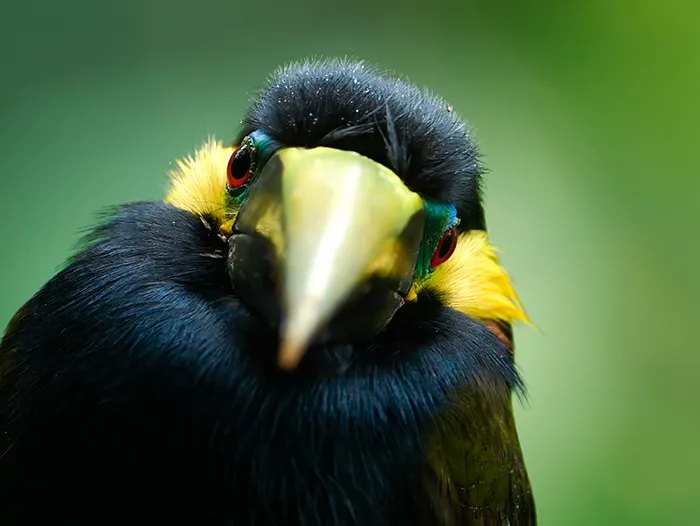
In 2005, a partnership of three local families found a 100 hectare (200 acre) cattle ranch about ten kilometers outside of Bijagua that adjoined the new Tenorio National Park. The original goal was to conserve this habitat for the amazing bird life found there. This area was serviced by a very poor road and saw virtually no visitors. The bird life in the reserve was remarkable, in spite of the cattle.
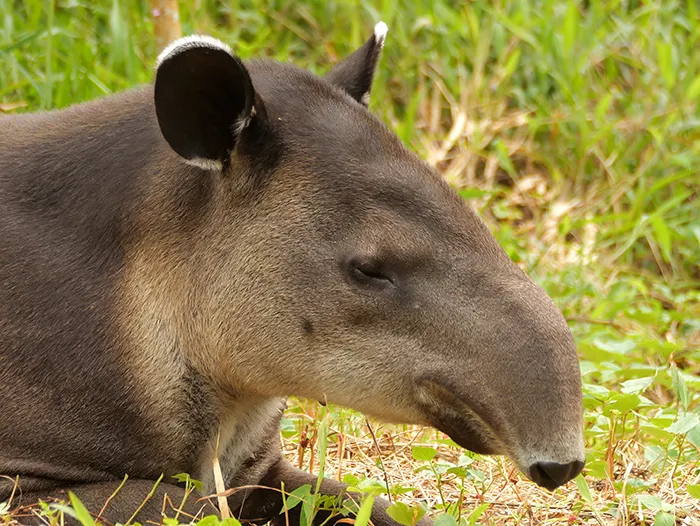
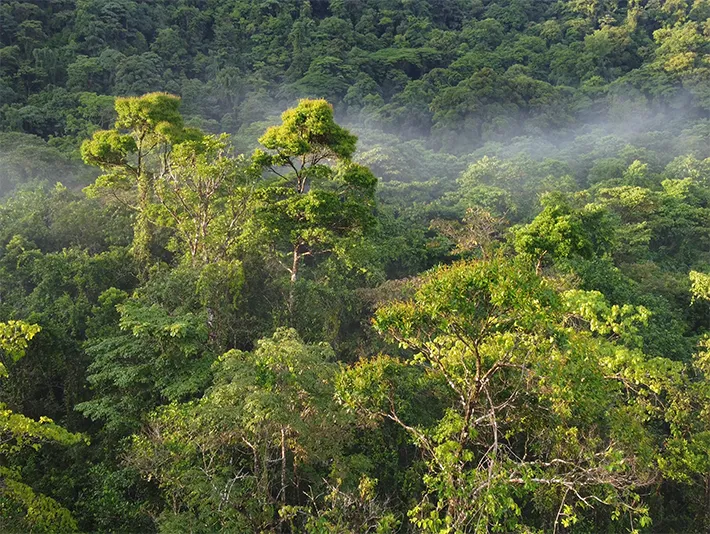
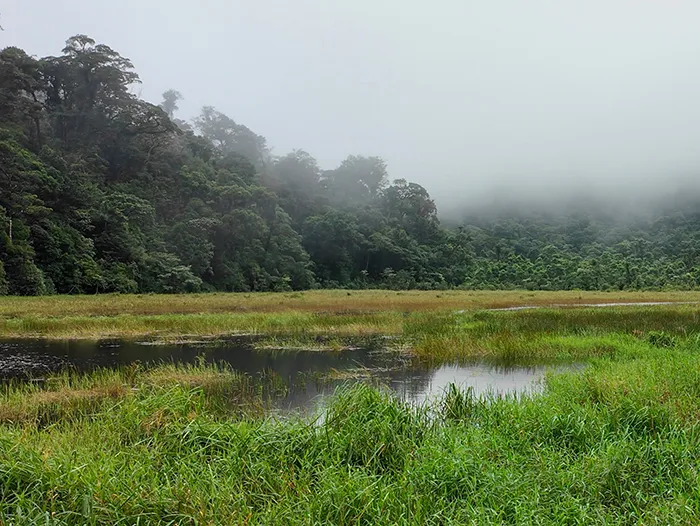
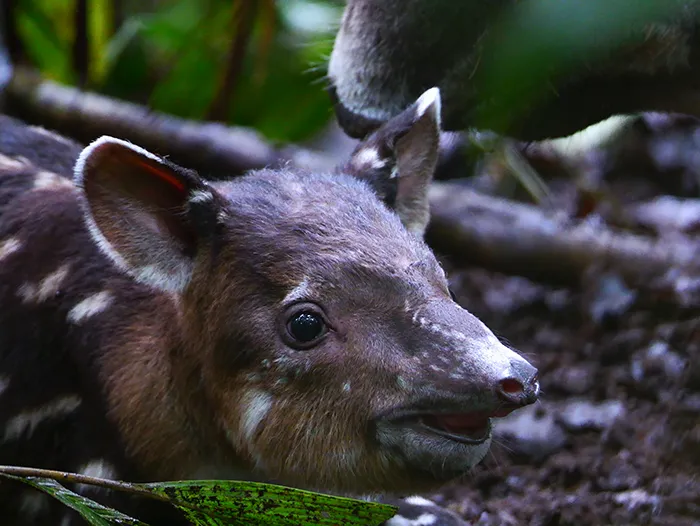
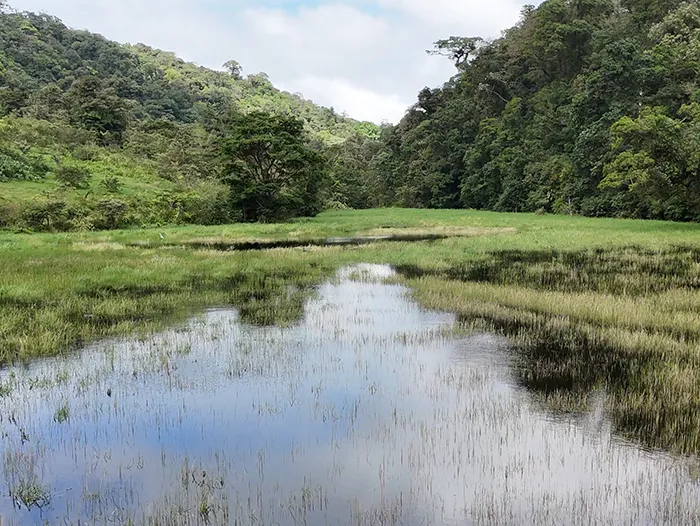
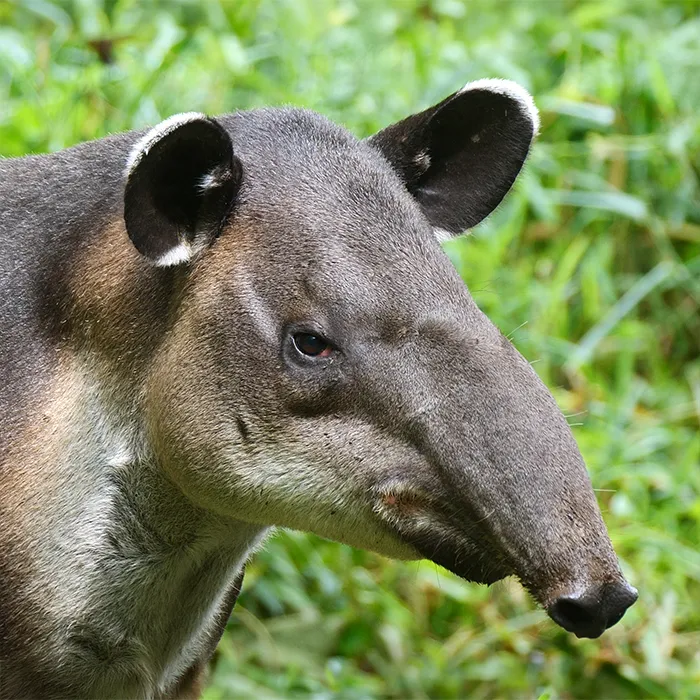
Restoration work began in earnest in 2016, with plantings of new forest in the lower areas of the reserve. Cattle were removed from the reserve and the existing lagoon was restored. Bird life flourished here, but then a new neighbor was seen: a female Baird's Tapir with a calf.
This was a momentous occasion—the first sign that the restoration work was creating a sanctuary that tapirs would call home.
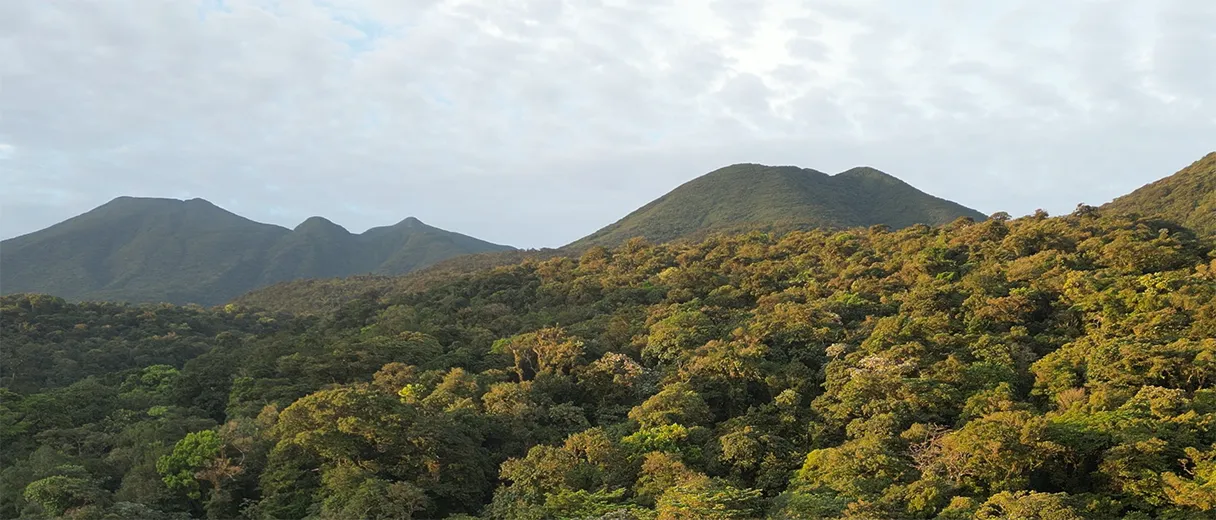
For decades, the tapirs in the area were more mythical than real; there were stories about these amazing mammals but they were never seen. Hunting was made illegal, but poaching still occurred, so the tapirs stayed up higher on Volcan Tenorio and seldom wandered down to populated areas.
The first tapirs were seen here in 2016, but they were still shy and reclusive even until 2020. You would get a glimpse of a tapir, but it would quickly move off into the forest.
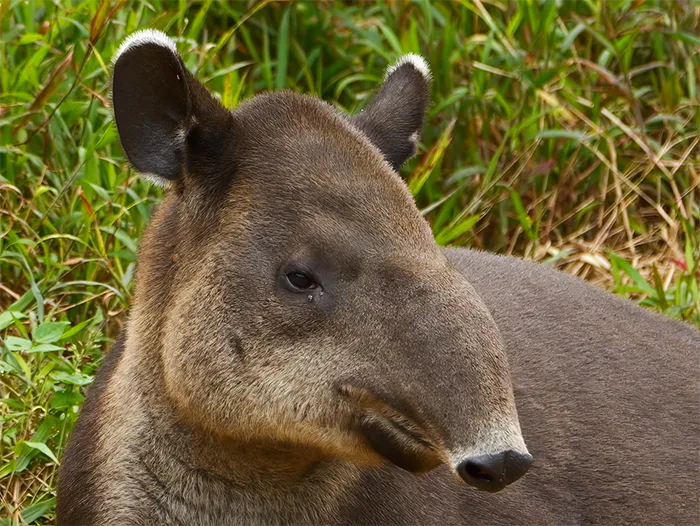
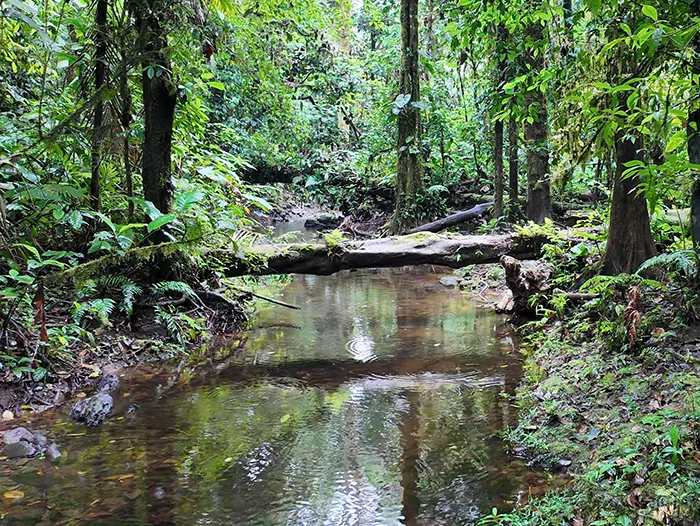
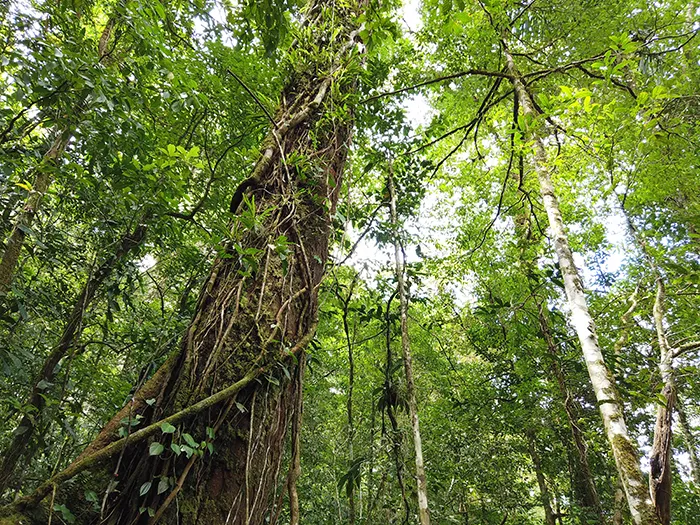
As the restoration work began in earnest in 2017 with the help of Nai Conservation, a shift occurred in the behavior of the tapirs. Once rare and elusive, they quickly realized that Tapir Valley was a safe place for them and they became more relaxed around humans.
The transformation was remarkable—from creatures of legend to regular residents who felt secure enough to allow observation and interaction with responsible visitors.
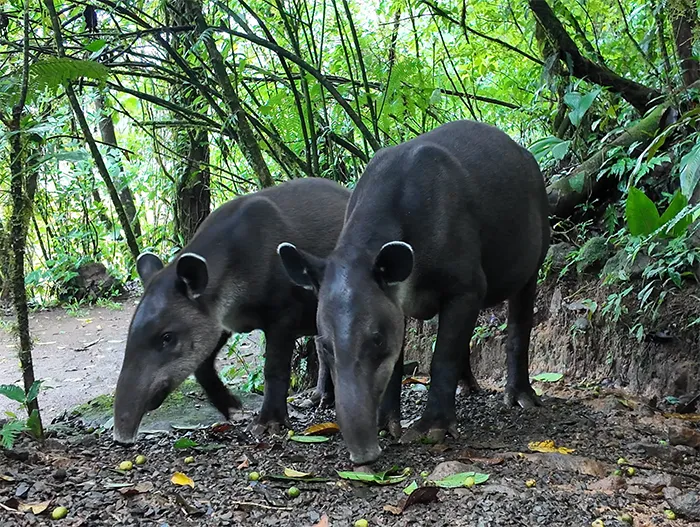
Now, there are at least six or seven tapirs that move through the reserve. Mamita is the matriarch of Tapir Valley, and she's birthed at least ten calves during her life here. Her daughter, Lunita, is nearby, but her younger calves, Julian and Gaia, still stay close to their mother.
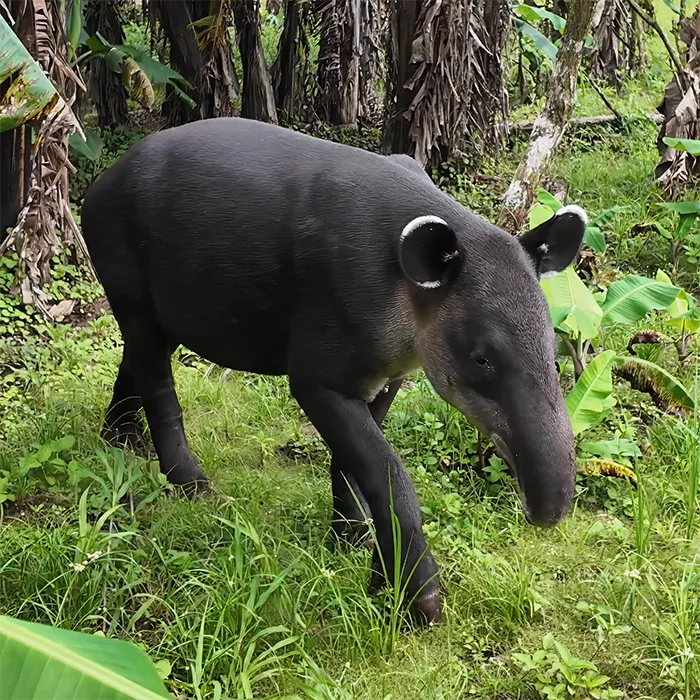
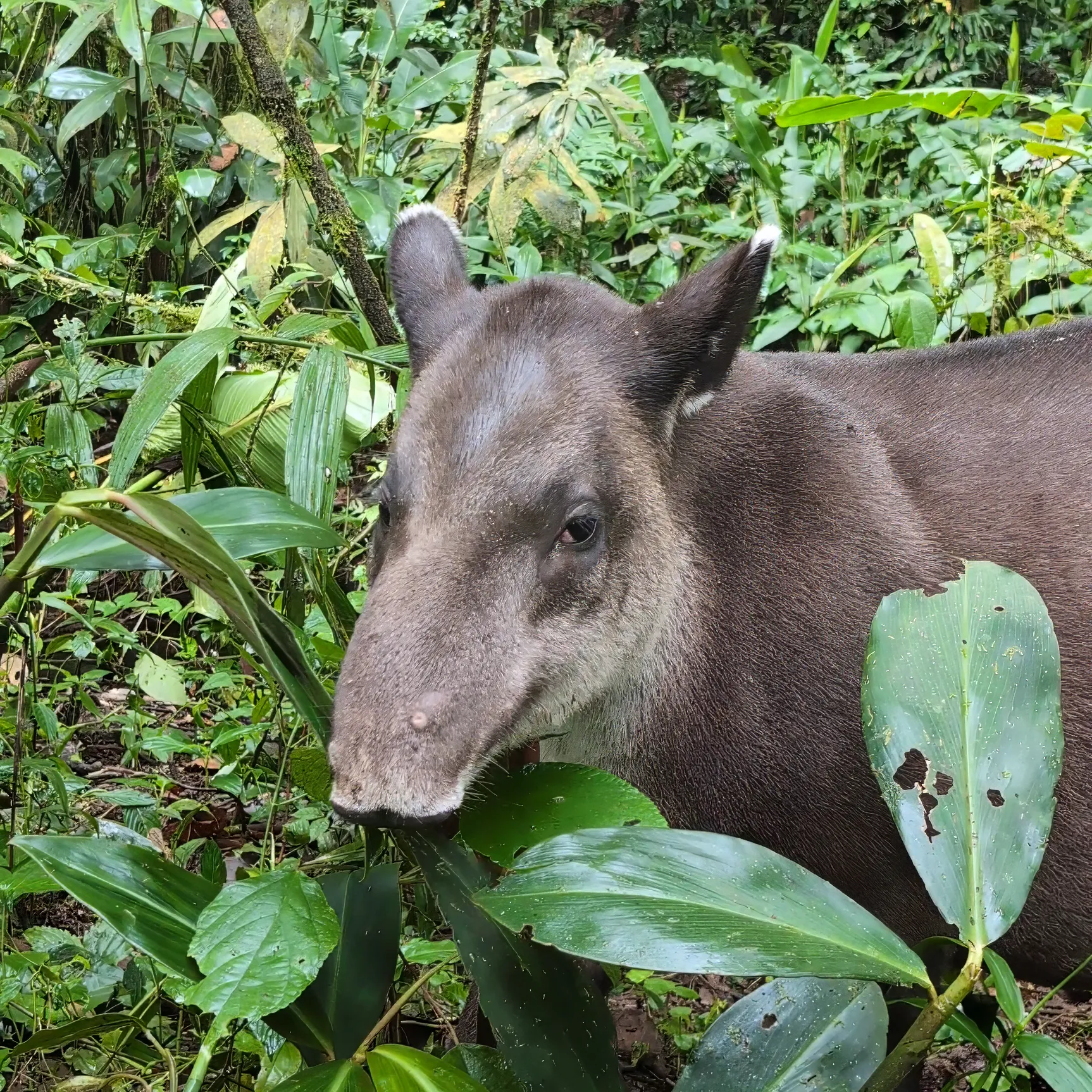
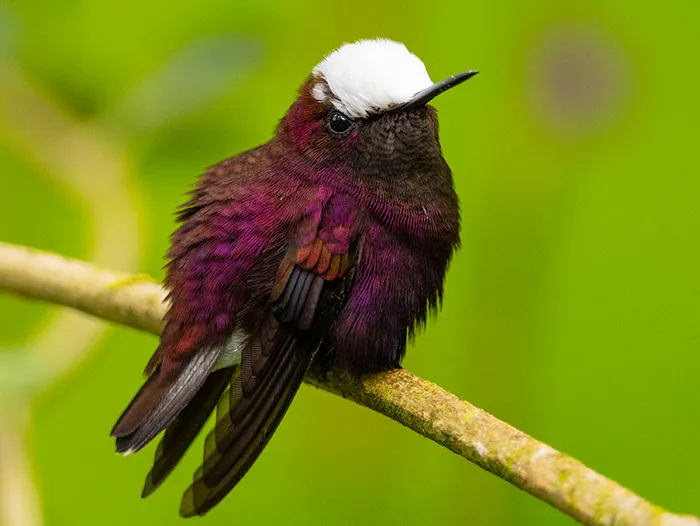
Because of the conservation work done here, wildlife flourishes at Tapir Valley. Over 440 species of birds have been reported here, and our night tours are the best in Costa Rica, with over 50 species of reptiles and 50 species of frogs.

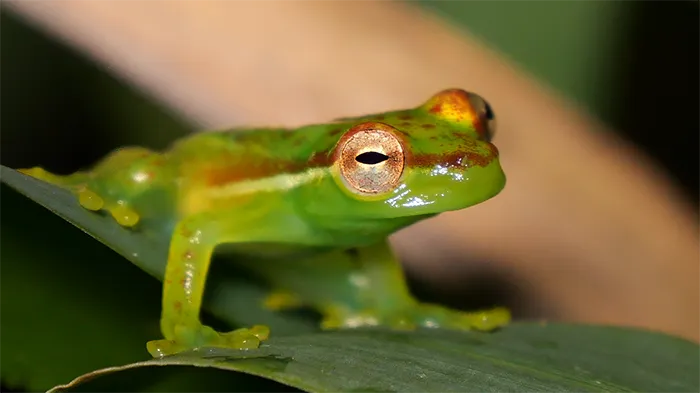
In 2021, a new species of frog was found here, Tlalocohyla celeste, or the Tapir Valley Tree Frog. So far, this is the only place in the world where this species of amphibian is found.
This discovery highlights the incredible biodiversity and importance of Tapir Valley as a unique conservation area in Costa Rica.
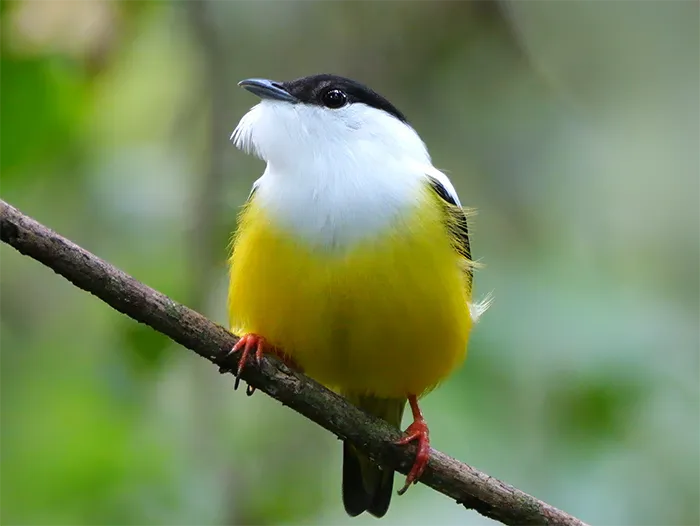
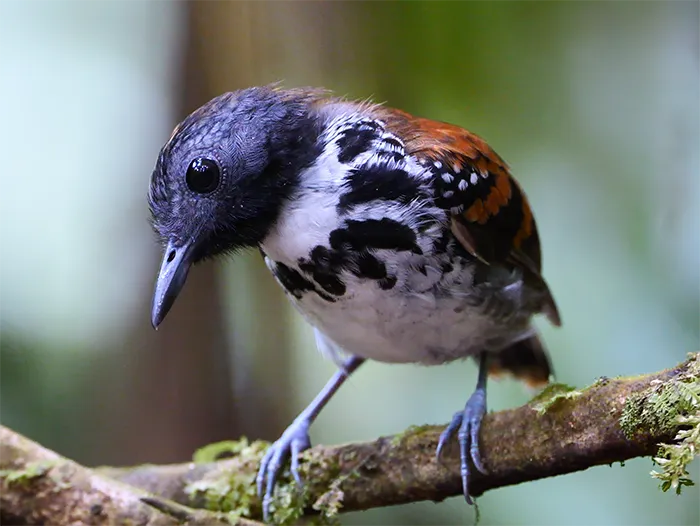

Tapir Valley is a hidden gem in an incredibly biodiverse region of Costa Rica. We hope that you can visit one day to experience the natural wonders of the true, pristine Costa Rican rainforest.

Join us for an unforgettable adventure in one of Costa Rica's most remarkable conservation success stories